Also scroll down to view Frequently Asked Questions!

TOP 6 REASONS (and the RESEARCH to back it) why school districts across the country choose ALIGNED Decodables!
1. THE ALIGNMENT
Decodables are most valuable when they line up directly with what the students are learning, known as ‘lesson-to-text match’(LTTM)” (Pugh, Kearns, & Heibert, 2023; Spear-Swerling, 2019; Cheatham & Allor, 2011; Adams, 2009; Armbruster et al., 2001; Roit, 2008; National Reading Panel, 2000). Through a system that ALIGNED has created, their books are aligned by decodability percentage lesson by lesson, sound by sound, word by word to 23 of the top ELA/Phonics programs on the market, with more on the way! This directly follows the Structured Literacy and Science of Reading approach. Literacy Directors, Curriculum Directors, Reading Specialists, and Teachers all love that this work has already been done for them! The Alignment Charts provided on the website guide which week to introduce each book, based on the Scope and Sequence of the curriculum you are using.
“The sequential nature of Structured Literacy means that teachers require students to practice only what they have been explicitly taught. Again, before teachers expect students to practice decoding specific phonics word patterns (e.g., short-vowel words with consonant digraphs) in reading text, or to recognize specific irregular words in text, they directly teach those skills in isolation first. SL approaches also build in cumulative practice and ongoing review of previously learned skills, so that students retain these skills and develop automaticity”.
Louse Spear-Swerling, 2019, p. 1
2. THE CONTENT (Comprehension and Vocabulary)
Decodables are most valuable to practice newly developing phonics skills. However, the argument has been made that there is more to reading than just decoding, and that traditional decodables alone may not be enough. Three papers that reviewed a multitude of studies state that students need content/vocabulary rich, authentic texts to build the other valuable skills needed for reading (Cheatham & Allor, 2012; Birch, et al., 2022, Pugh, Kearns & Hiebert, 2023). This comes from the fact that some decodables do not provide texts that are “semantically rich and address meaningful and interesting topics” (Pugh, Kearns & Hiebert, 2023).
The ALIGNED Decodables are specifically written to bridge this gap!
Comprehension is easily achieved with stories that highlight characters’ feelings, story sequence, problems/solutions, and much more. Diverse and rich vocabulary is spread throughout the books. By focusing on letter sounds, common words have been substituted by more uncommon, yet more specific, words. For example, the skunk didn’t “run”, he “dashed” or “darted”. The girl didn’t “lay” in the sun, she “basked” in it. Through fun and interesting stories, surprise endings, a robust collection of non-fiction books, tons of variety, and beautiful illustrations, ALIGNED Decodables are designed to provide the “real”, authentic books children want to read!
There are comprehension questions at the end of each books, with one specifically written to be used as a possible discussion starter or writing prompt. Specific vocabulary and comprehension suggestions can be found on the Diversity and Content Map

“Exclusive use of one type of book has a detrimental effect. Rather, carefully selected and varied reading materials leads to more positive outcomes and attitudes to reading” (Mesmer, 2005; Wood, 2005).
3. THE LAYOUT
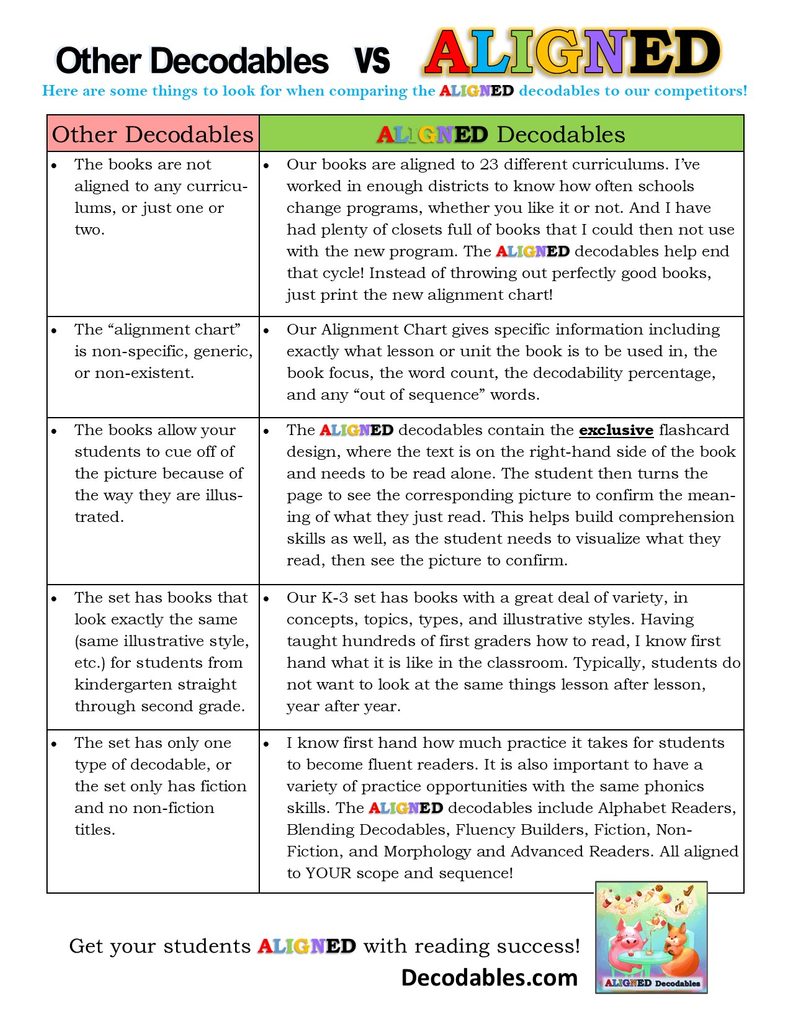
The focus of early reading practice should be centered on only the letters in the words, and not on anything that may give children a “cue” as to what the word could be (Lonigan, et al., 2018; Ehri, 2013; Stanovich, K.E., 2000). The ALIGNED decodables are formatted so that the text is alone on the page on the right hand side and must be read without the aid of a picture cue. The student then turns the page to view the corresponding picture to confirm meaning and build engagement and enjoyment!

“The 3 cueing approach to support early word recognition ignores 40 years of overwhelming evidence that orthographic evidence involves the formation of letter sound connections to bond spelling, pronunciation, and meaning of specific words in memory” (Ehri, 2014). “Moreover, relying on alternative cueing systems impedes the building of automatic word-recognition skill that is the hallmark of skill word reading (Stanovich, 1990, 1991)”. (Petscher et al. 2020)

4. THE DIVERSITY
ALIGNED Decodables were written with diversity and inclusion in mind. Explicit details about the diversity of characters, as well as vocabulary, comprehension suggestions, and phonic skill focus can be found in our “Diversity and Content Map”!

”When considering how to deal with classroom issues of ethnicity, culture, gender, and other differences among students, “teachers must create an environment that ensures that all learners see people from their identity group reflected positively in the instructional materials, pictures, books, and videos used in the classroom and throughout the school” (Vogt & Shearer, 2003, p. 118). These factors have powerful effects on self-esteem and motivation that affect the literacy development (Vogt & Shearer, 2003)” (Sitthitikul, P., 2014).
5. THE ILLUSTRATIONS/IMAGES
The ALIGNED decodables are professionally illustrated. Children love the variety of topics, concepts, and illustrative styles! The full color books are designed to keep the children engaged and motivated through laughter and smiles.
“Specific techniques and activities used to develop children’s letter-sound knowledge and its use in reading and writing should be as relevant and motivational as possible to engage children’s interest and attention to promote optimal learning” (National Reading Panel, 2000).

6. Non-Instructional Reasons
The Complete K-2 set is comprised of 200 titles, including our newly published Interactive Reproducible titles and three chapter books. Fiction and non-fiction genres are included. With one-stop-shopping, you can cover all of your school’s decodable needs. ALIGNED Decodables are a great investment! If your school changes curriculums in the future, it is very likely you can continue to use these decodables, just with a different Alignment Chart. No training, teacher’s guide, or research study is needed because the books are used as a supplement to the curriculum you have already chosen. The Aligned Decodables have been vetted and approved for quality by ULFI, The Reading League, MetaMetrics, and Teach My Kid to Read. These books are being used across the US and Canada, and Aligned is an approved vendor for the NYC SD DOE, LA Unified SD DOE and on SAM.GOV.
Frequently Asked Questions
- How is the content specifically designed for students in grades K–2? How is the vocabulary, sentence structure, and topic age-appropriate?
I have taught hundreds of students how to read. I observed my classroom full of students slowly increase their reading competency skills. I also noted what was engaging, funny, and age appropriate. Before I started writing these decodables, I was in the classroom writing decodable practice passages, games, and stories week-by-week for my own students. I saw what worked and what didn’t. I took what I knew as a certified teacher in Early Childhood Education, Elementary Education, and Gifted Education, and my experiences directly working with the students, and poured that knowledge into the decodable stories. No AI was used in writing, producing, or aligning any of the books. The topics are age-appropriate and current. There is a combination of fiction and non-fiction. The non-fiction titles are high interest with topics like sports, animals, music, and space.
· The books start out in kindergarten with letter sound introduction aligned with the early lessons of a typical kindergarten scope and sequence. These early books have only a letter on the page and a picture to match that beginning sound.
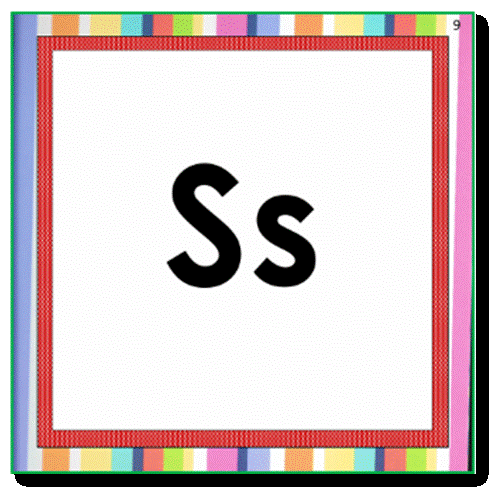
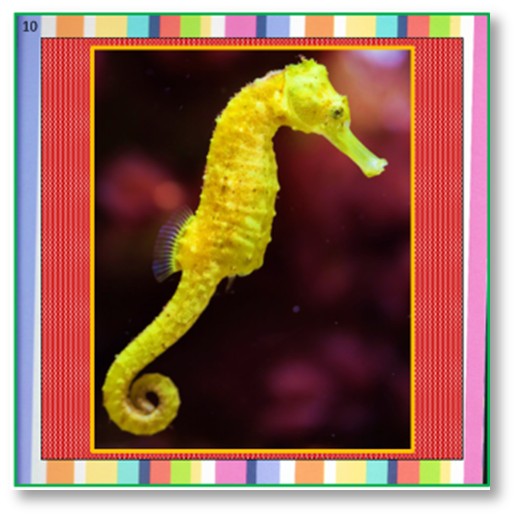
Example,
Aligned Title: Ss
As more letter sounds are introduced, including the short vowels, the decodables move into practice with one word on the page.
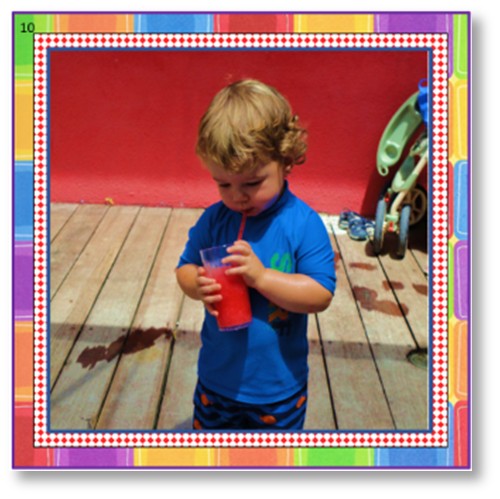
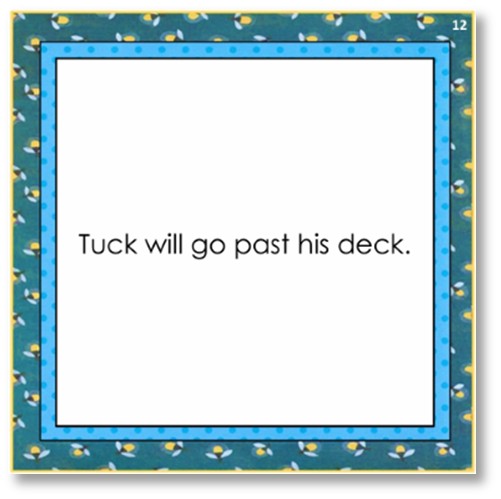
Right-hand side of the book, text alone on the page. The student cannot use a picture cue to read the word.
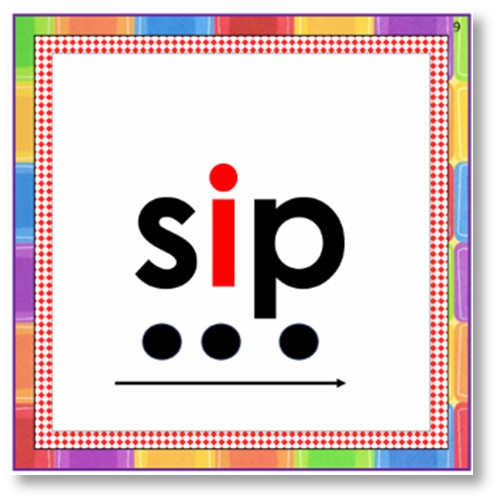
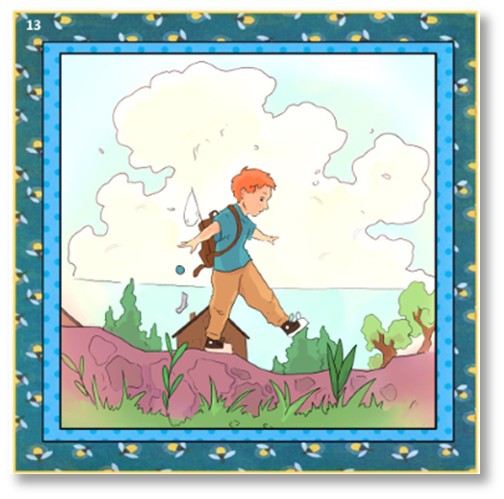
Turn to next page, left-hand side, illustration that matches the previous page.
Example,
Aligned Title: Short I
All of the books are formatted in this ALIGNED exclusive “flash card” format!
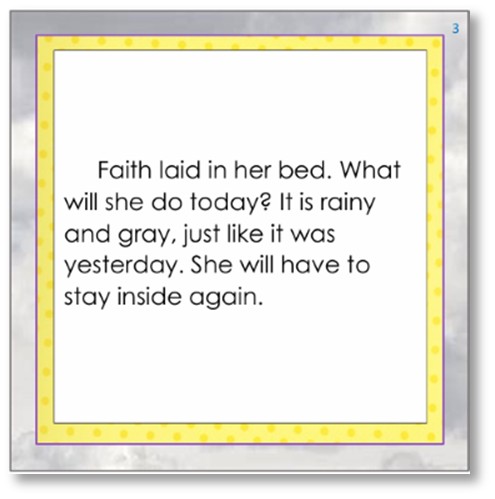
· As the lessons progress and useful high-frequency words are introduced (e.g. the, in, and it), simple sentences appear in the books.
· This pattern continues. As more letter patterns and high-frequency words are introduced, the sentences become more robust. The sentences are simple and one per page through most of kindergarten and then build from there into first grade. Having taught for years, I made decisions based on my experience working directly with students to know when adding complexity is appropriate. The beginning of first grade has decodables that review skills from kindergarten and are an opportunity for the students to practice and build some confidence on the simpler books before moving forward (this is also true for second grade).
Example,
Aligned Title: Tuck
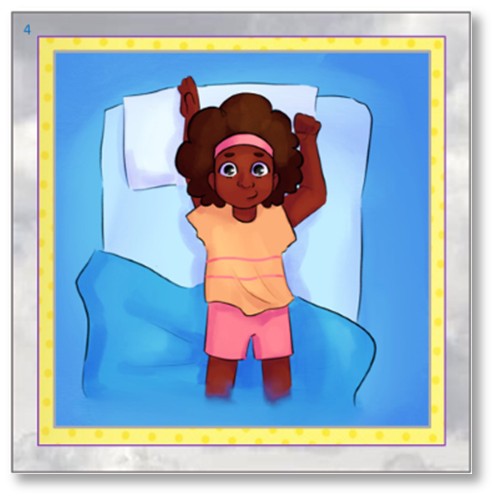
Example,
Aligned Title: A Rainy Day
· Through first grade, the number of sentences and their complexity increase gradually through the year.
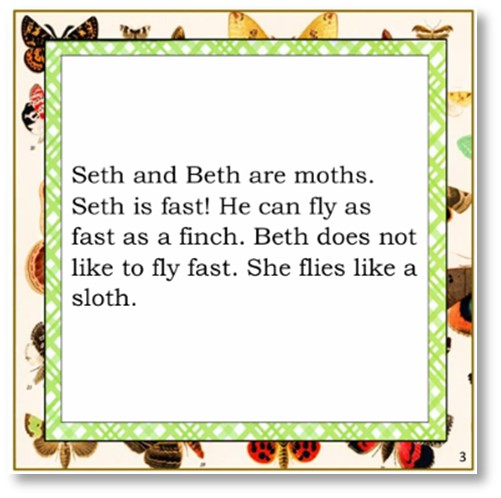

Example,
Aligned Title: Seth and Beth
For example, the addition of similes, such as “She flies like a sloth.”
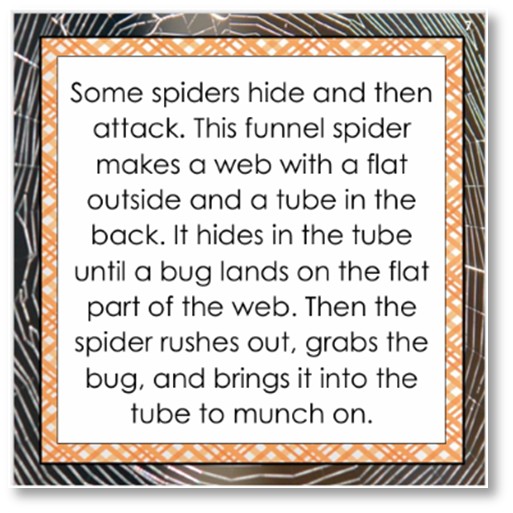

Example,
Aligned Title: Spiders Hunting
· Some of the lessons have multiple ALIGNED titles assigned to them so there are options for the teacher to help meet individual student needs. One of the books would typically have a lower word count and the other a higher count, as options. It also helps meet interest level of the students so they can decide which book they would like to read.
· As the students move through the end of first and into second grade, the stories are longer and more complex. More inferences are needed to be made by the students, and a multitude of text features are present.
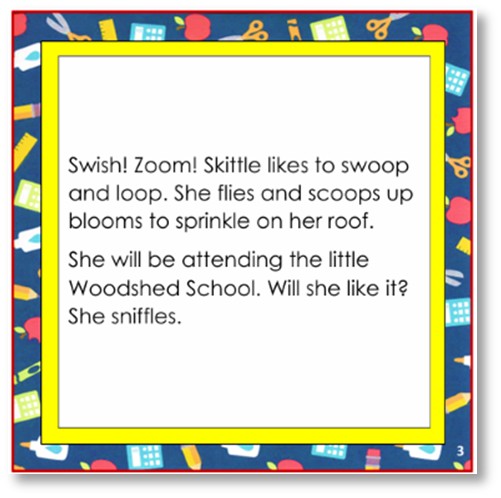

Example,
Aligned to UFLI First Grade Lesson 98
Aligned Title: Skittle’s First Day
For example, the text states, “She sniffles.” in response to the question, “Will she like it?” What can you infer from the word “sniffles”?
Example,
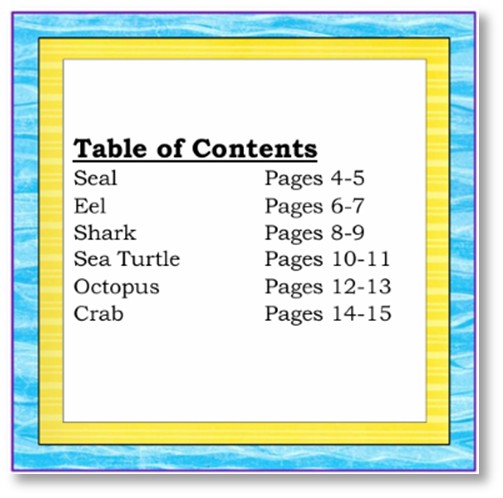
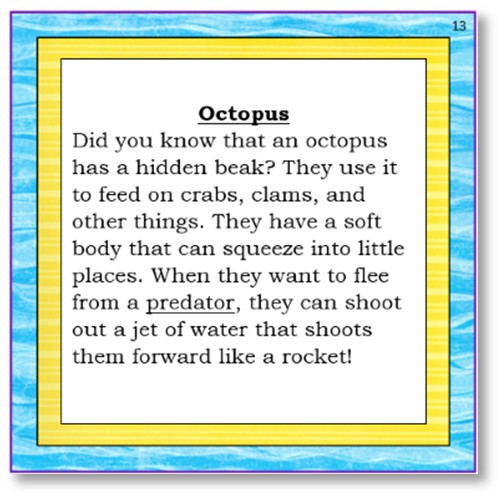
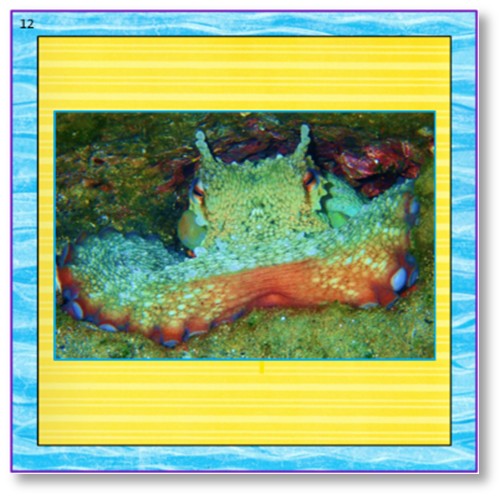
Aligned Title: Animals of the Sea
2. How do the ALIGNED decodable books support vocabulary acquisition?
The ALIGNED Decodables were written with the inclusion of high-quality vocabulary words in mind. Diverse and rich vocabulary is spread throughout the books. From the time I started writing the decodable books, vocabulary was a major focus. I used the introduction of the letter patterns to include words that might not typically be learned by a young child, but that are invaluable when building a strong background with language. Research shows that having a robust and broad vocabulary can make the difference between a strong reader and a poor reader, especially in the area of reading comprehension.
The nuances of word meanings and what they do to a person’s ability to fully comprehend the story are of particular interest to me. For example, did the boy “go” to the park? Or did the boy “hurry”, “walk”, or “stomp” to the park? All three of these words can lead the reader to a different understanding of what the boy is feeling while going to the park.
“The relationship between vocabulary and reading comprehension has been well documented in the literature, with studies consistently highlighting a reciprocal relationship between these skills (e.g., Cain & Oakhill, 2011; Verhoeven et al., 2011; Duff et al., 2015; for a review, see Stahl & Fairbanks, 1986; Elleman et al., 2009; Wright & Cervetti, 2016; Adlof, 2019; Elleman et al., 2019; Silverman et al., 2020; Cervetti et al., 2023).”(Zeng Y, 2025).

It has long been understood that teaching vocabulary in isolation is not very effective. The books are written to slowly build on learned phonics skills, by moving from simplest to most complex patterns. This affected the vocabulary inclusion in two ways.
Zeng, Y. et al suggest that “merely teaching word meanings may not be sufficient for long-term vocabulary acquisition. Instead, students may require more extensive exposure to words across varied contexts and more engaging strategy-based instruction, such as teaching morphological awareness and contextual word-solving strategies” (2025).
A. Tier two and three words were often included because they highlighted the letter pattern that was added during that lesson/week.
B. If used with the ALIGNED comprehension program, teachers will introduce new vocabulary words either right before or during reading, for immediate practice in context. Words are often repeated in many following titles.
ALIGNED Educational Resources is currently developing a comprehension and writing program. This program focuses heavily on vocabulary introduction, and the multiple meanings of words. Each vocabulary word will have a vocabulary picture card illustrating the multiple meanings (e.g. “tap” can mean the faucet on a sink, the making of a tapping noise on a desk, or a type of dance). The teacher introduces these and then encourages the students to think critically while reading to determine which meaning is used in the sentence. This program, called “INTEGRATED: The Other Strands of the Rope”, will be released by grade level starting with kindergarten in January, 2026.
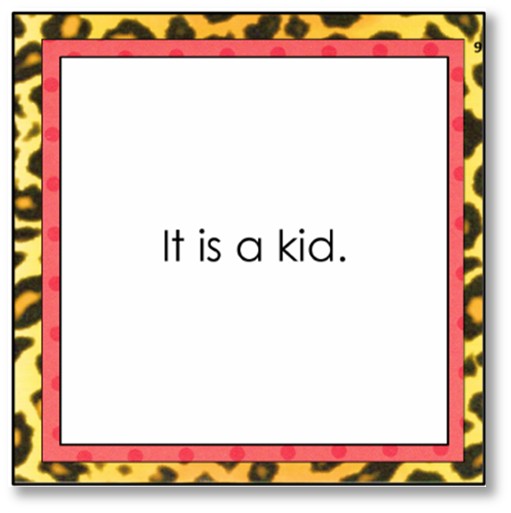

Aligned Title: Kits and Pups
Vocabulary is used to practice CVC short i words and to introduce students to the different names for baby animals. This example also introduces the students to an alternative meaning for the word “kid”.
All books are formatted in the “flash card” format, which is ONLY found in the ALIGNED books! The text is on the right-hand side of the book, and the student is unable to use a picture cue while reading. The student views the corresponding picture when they turn the page.
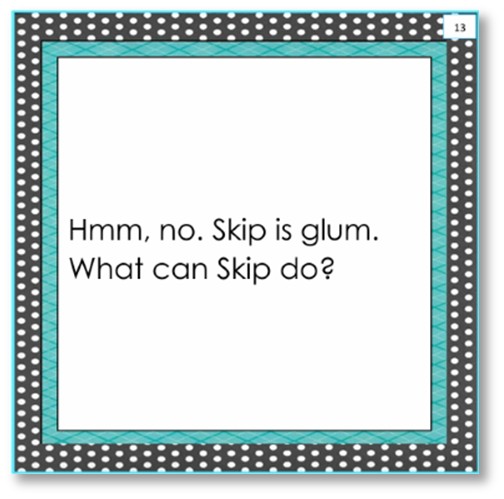
Aligned Title: Skip the Skunk
Vocabulary is used to practice blends as well as introduce an alternative to the word “sad”.
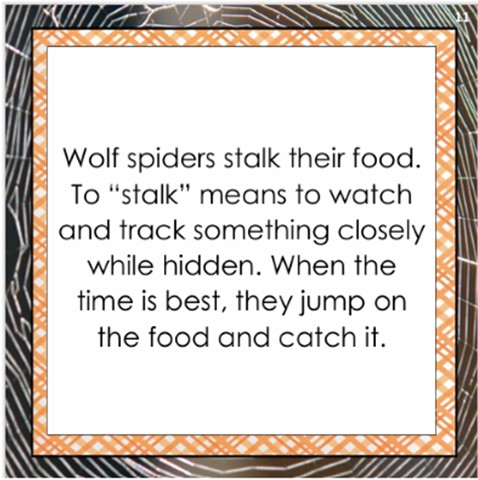
Aligned Title: Spiders Hunting
Vocabulary is consistently used in non-fiction books to build knowledge of the topic.
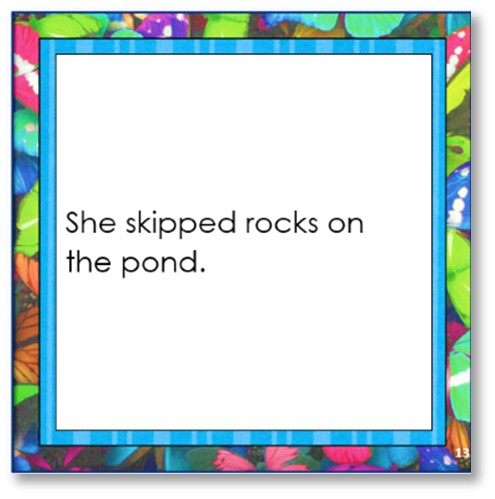
Aligned Title: Deb Went Camping
Vocabulary is used to practice the –ed suffix, as well as introduce an alternate meaning for the word “skipped”.
.
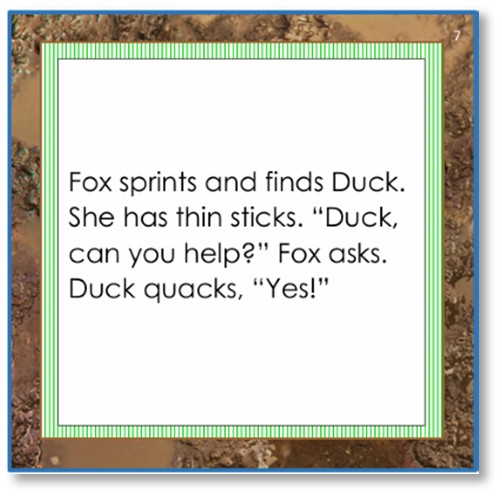
Aligned Title: Stuck!
Fox doesn’t “run”, he “sprints”. Duck “quacks” instead of “says”.
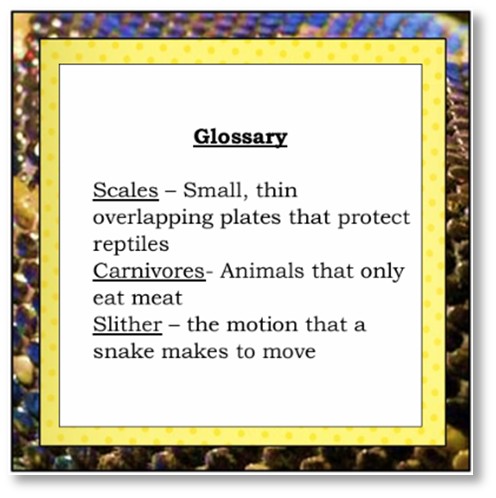
Aligned Title: Snakes
Non-fiction books in later stages of the scope and sequence use the vocabulary word in sequence and also have a glossary.
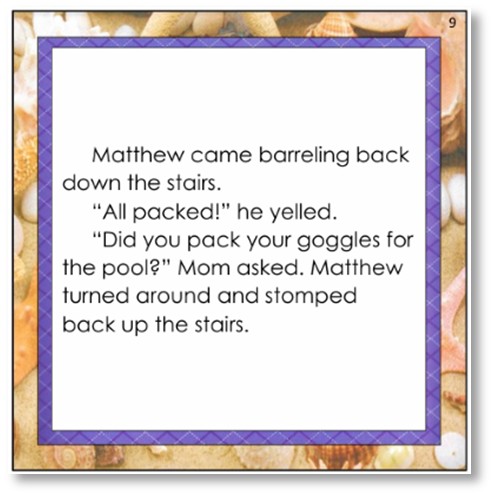
Aligned Title: Packing
The vocabulary denotes different emotions when Matthew came “barreling” down the stairs, but “stomped” back up them. This helps students build their skills in making inferences.
3. How do the ALIGNED decodable books support phonics-based instruction rather than a leveled text system?
The ALIGNED Decodables soundly support “phonics-based instruction”. A “phonics-based instructional model” is one that teaches students how to read in a systematic, methodical way. Students start by learning the most basic phonics skills first (e.g. consonant sounds). They then build upon that knowledge by learning new, increasingly difficult (or inconsistent) phonics skills (e.g. vowel teams), and entering those into the schema that has been created.
By learning new letter patterns as well as high-frequency words and inserting them into practice opportunities containing already known skills, a strong scaffolding effect is created. This not only increases the automaticity of the new skill but reinforces the existing skill. Students move forward in learning to read with confidence and a positive attitude because of the success this model affords them.
An essential part of the process for beginners involves learning the alphabetic system, that is, letter-sound correspondences and spelling patterns, and learning how to apply this knowledge in their reading. Systematic phonics instruction is a way of teaching reading that stresses the acquisition of letter-sound correspondences and their use to read and spell words (Harris & Hodges, 1995)” (National Reading Panel, 2001).
“…the learner’s cognitive load is reduced with the aid of scaffolding and that this thus allows the learner to perform parts of a task that he or she would otherwise not be able to perform” (va de Pol and Beishuizen, 2001).
“The 3-cueing approach to support early word recognition ignores 40 years of overwhelming evidence that orthographic evidence involves the formation of letter sound connections to bond spelling, pronunciation, and meaning of specific words in memory” (Ehri, 2014). “Moreover, relying on alternative cueing systems impedes the building of automatic word-recognition skill that is the hallmark of skill word reading (Stanovich, 1990, 1991)”. (Petscher et al. 2020)
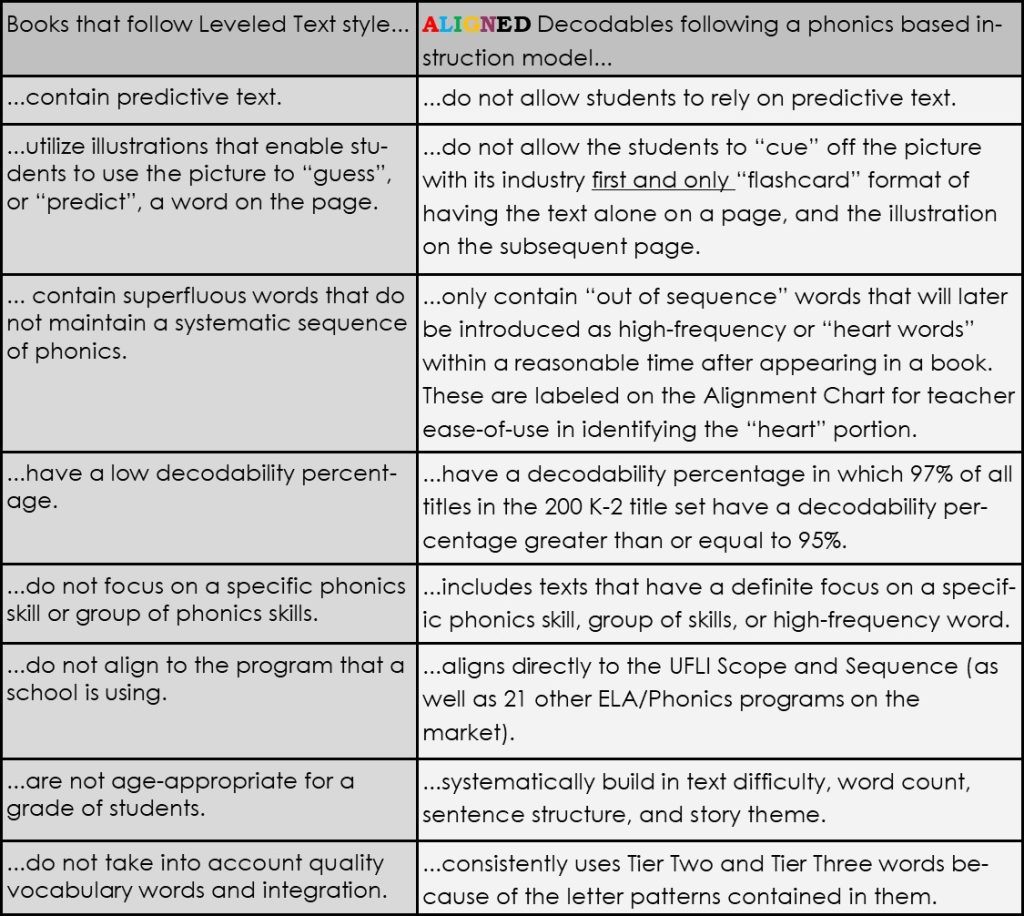
This is opposed to teaching in a “leveled text system”, which leaves students feeling as though learning to read is arbitrary and almost mysterious. The assigned levels of text feel random at times and provided an unclear path as to what a student would need to learn to be able to move to the next level. It does not present students the opportunity to learn new skills in a systematic way and enter that new knowledge into previous schema. It encourages using “cues” instead of focusing on phonics skills and the ability to decode. And thus, when students move past “picture books”, they are left without the tools to read higher level texts.
There are many versions of “guided readers” and “leveled books” on the market today that are simply rebranded as “decodables”. They are books heavy in predictive text, where the differing word in the sentence is way outside the scope and sequence; not a high-frequency word. They are books that use prompting illustrations for the students to continue with the damaging habit of using picture cues, even if the teacher does not specifically instruct them to do so.
The ALIGNED Decodables were written to directly combat this type of reading instruction. Guided readers, or rebranded books that maintain that style, have no place in a phonics-based instructional model.
There are particular characteristics of decodable books that support a phonics-based model, as opposed to a leveled text model. The following chart displays the ALIGNED Decodables’ solid strength in this area.
4. How is the decodability percentage calculated and shown on the Alignment Chart? How does high-frequency introduction come into play?
The titles are aligned by decodability factor based on letter pattern, high-frequency word, syllable, and affix (e.g. word ending like –s) introduction. To determine the “decodability percentage” for each book:
1. I separated out individual words and broke them down by letter/sound pattern.
2. I determined which words and/or letter patterns were decodable using the decoding skills that had been introduced by a given week in the scope and sequence.
3. Using the scope and sequence, I then identified which high-frequency words (or “heart words”) had been introduced leading up to a specific lesson. If a word had been taught to the students, the word was not counted as against the decodability percentage. (For example, once the word “the” is introduced in Lesson 1, it is from then on considered “decodable”.)
4. The total word count of the book was determined.
5. Any word that was not decodable, either by sound pattern introduction or having been taught as a high-frequency or “heart word”, was considered “out of sequence”. I noted how many times that word appeared in that book.
6. The summed amount of “out of sequence” words (if any), and the number of times they appeared, became the numerator. The total amount of words in the book was the denominator. This was calculated to determine the decodability percentage.
7. The few “out of sequence” words that do exist are noted on the ALIGNED Alignment Chart and the letter pattern that would make it “out of sequence” is in bold and underlined, so that the teacher can teach them as heart words. Percentages were noted if the use of one-word multiple times significantly affected the percentage (e.g. the word “her” being used 4 times in a book before the r-controlled vowel had been introduced).
5. How are the stories crafted to be engaging and culturally relevant for students in grades K-2?
Decodables are most valuable to practice newly developing phonics skills. However, the argument has been made that there is more to reading than just decoding, and that traditional decodables alone may not be enough. Three papers that reviewed a multitude of studies state that students need content/vocabulary rich, authentic texts to build the other valuable skills needed for reading (Cheatham & Allor, 2012; Birch, et al., 2022, Pugh, Kearns & Hiebert, 2023). This comes from the fact that some decodables do not provide texts that are “semantically rich and address meaningful and interesting topics” (Pugh, Kearns & Hiebert, 2023). The ALIGNED Decodables are specifically written to bridge this gap!
The ALIGNED Decodables provide robust texts with strong story lines to keep students engaged by highlighting and providing opportunities for students to build comprehension skills such as identifying characters’ feelings, relating and connecting those characters’ feeling to themselves, identifying story sequence, and determining the problem and solution of a story. The content-rich, non-fiction titles engage students in learning about topics that may be of interest to them, like sports, animals, camping, fishing, dogs, spiders, and music. The decodables are culturally relevant with topics that include smart phones, drones, and spending time with friends in different settings.
“Students who enjoy reading, and make it a regular part of their lives, are able to improve their reading skills through practice. Better readers tend to read more because they are more motivated to read, which, in turn, leads to improved vocabulary and comprehension skills.” (PISA 2018 Results, vol. II. ch. 8, OECD, 2020).
The ALIGNED Decodables are designed to provide the “real”, authentic books that students want to read.